CS2 Cheaters WINNING?
This is why Valve’s Secret War on Cheats is Failing
Is Valve ever going to actually fix the cheating in Counter-Strike 2? Every day, it feels like another Premier match is ruined by a blatant spinbotter. The community is screaming for a real anti-cheat—a kernel-level solution like Vanguard—but all we get from Valve is silence. It feels like they’ve abandoned the game.
But what if the reason isn’t that they don’t care? What if the real reason is something far more complicated? We went digging, and what we found is a company trapped between its own ideals, its organizational structure, and a new generation of cheats that are harder to stop than ever. This is the uncomfortable truth about why Valve won’t—or can’t—give us the anti-cheat we’re demanding.
You Can’t Have a Kernel Anti-Cheat Because of… a Handheld Console?


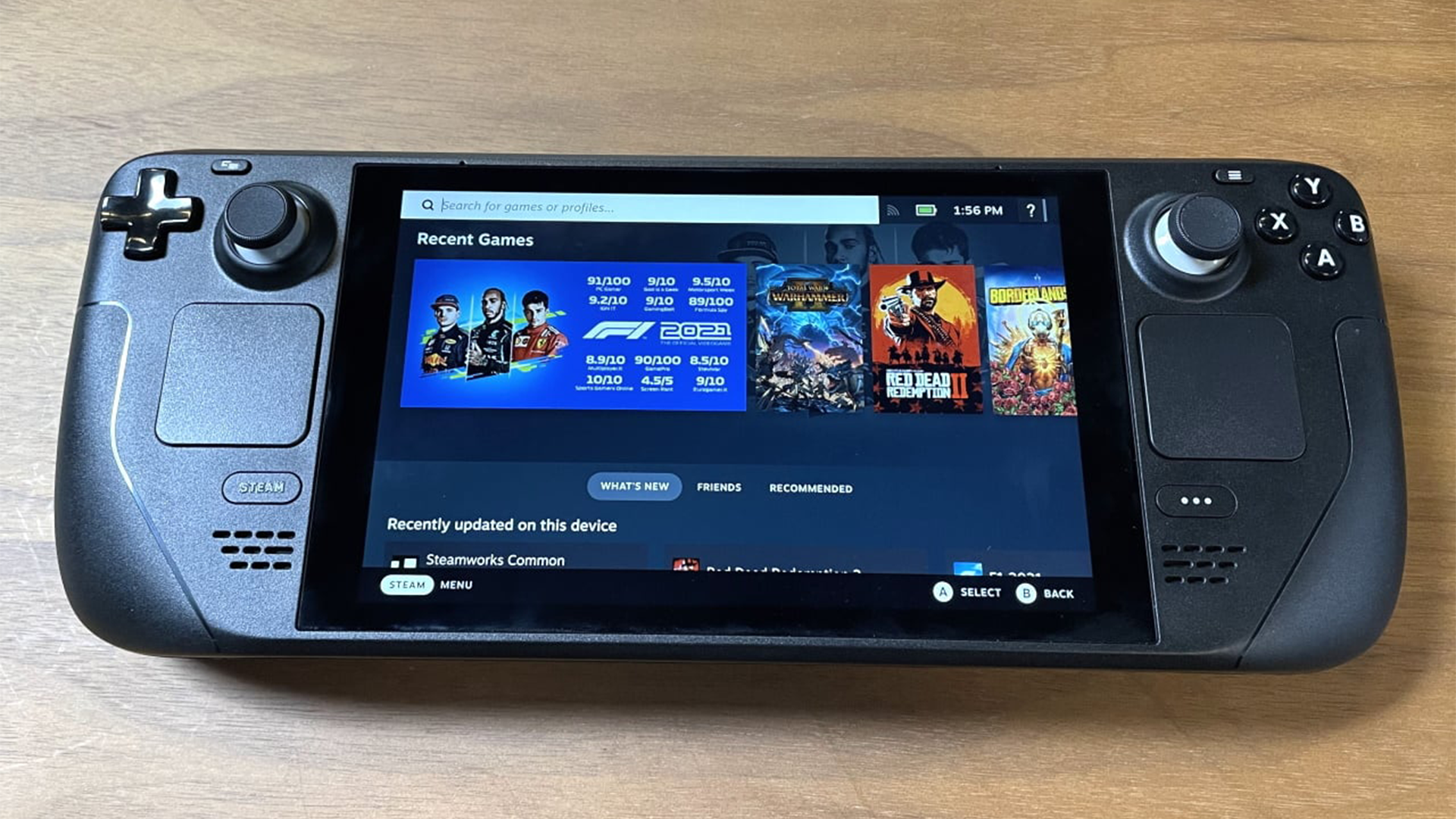
It sounds insane, but it’s true. The biggest roadblock to a CS2 kernel-level anti-cheat is the Steam Deck. Valve has invested billions in breaking free from Windows and creating a Linux-based gaming ecosystem. A kernel-level driver is, by its nature, platform-specific. If Valve made an anti-cheat that only worked on Windows, they would be killing their own golden goose.
Forcing a kernel driver on CS2 would mean abandoning every player on Linux and instantly making the Steam Deck unable to play Valve’s flagship competitive title. For Valve, that’s a price they are absolutely unwilling to pay.
Nobody at Valve Wants to Work on Anti-Cheat (And Here’s Why)
At most companies, you get assigned to a project. At Valve, you choose what you work on. This unique structure is a double-edged sword. While it fosters innovation, it also means that less glamorous, but crucial, tasks often get neglected.
Anti-cheat development is famously referred to as “treadmill work” within the industry. It’s a never-ending, adversarial battle where every victory is temporary. You ban a cheat, and a new one pops up within days. This constant, unrewarding cycle is a tough sell for developers who could instead be working on groundbreaking VR projects or the next big game. Why would a talented engineer choose to spend their days in a cat-and-mouse game they can never truly win, when they could be building something new and exciting?
“Anti-cheat development is what we call ‘treadmill work.’ It is a never-ending, adversarial game of cat-and-mouse where you never truly ‘win.’ You only manage the rate of failure.” — Industry Insight on Valve’s “Treadmill” Philosophy.
This isn’t to say Valve doesn’t care, but their organizational philosophy inherently prioritizes innovation over maintenance, especially when that maintenance is a thankless, unwinnable war.
VACnet’s False Positive Nightmare
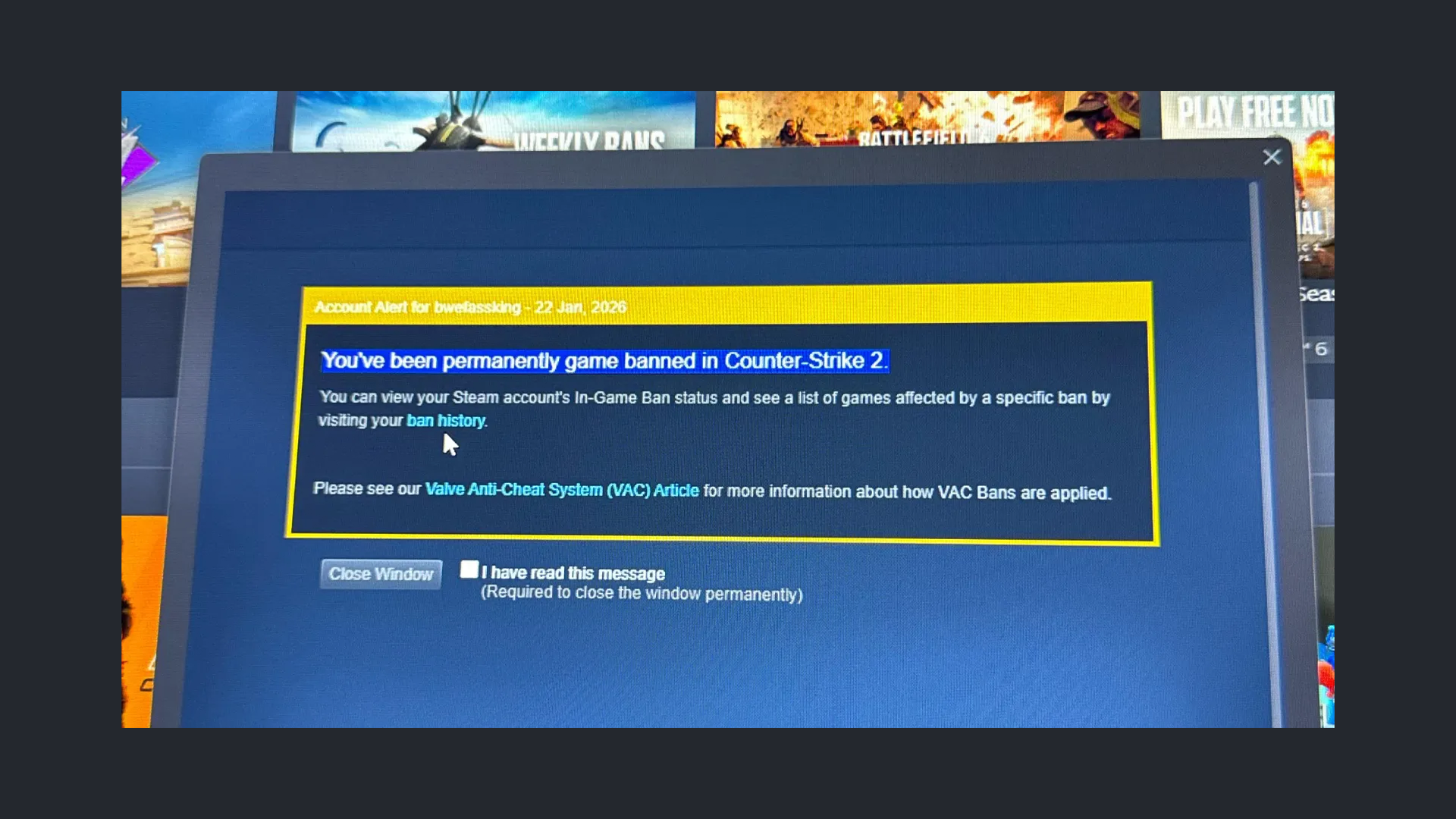
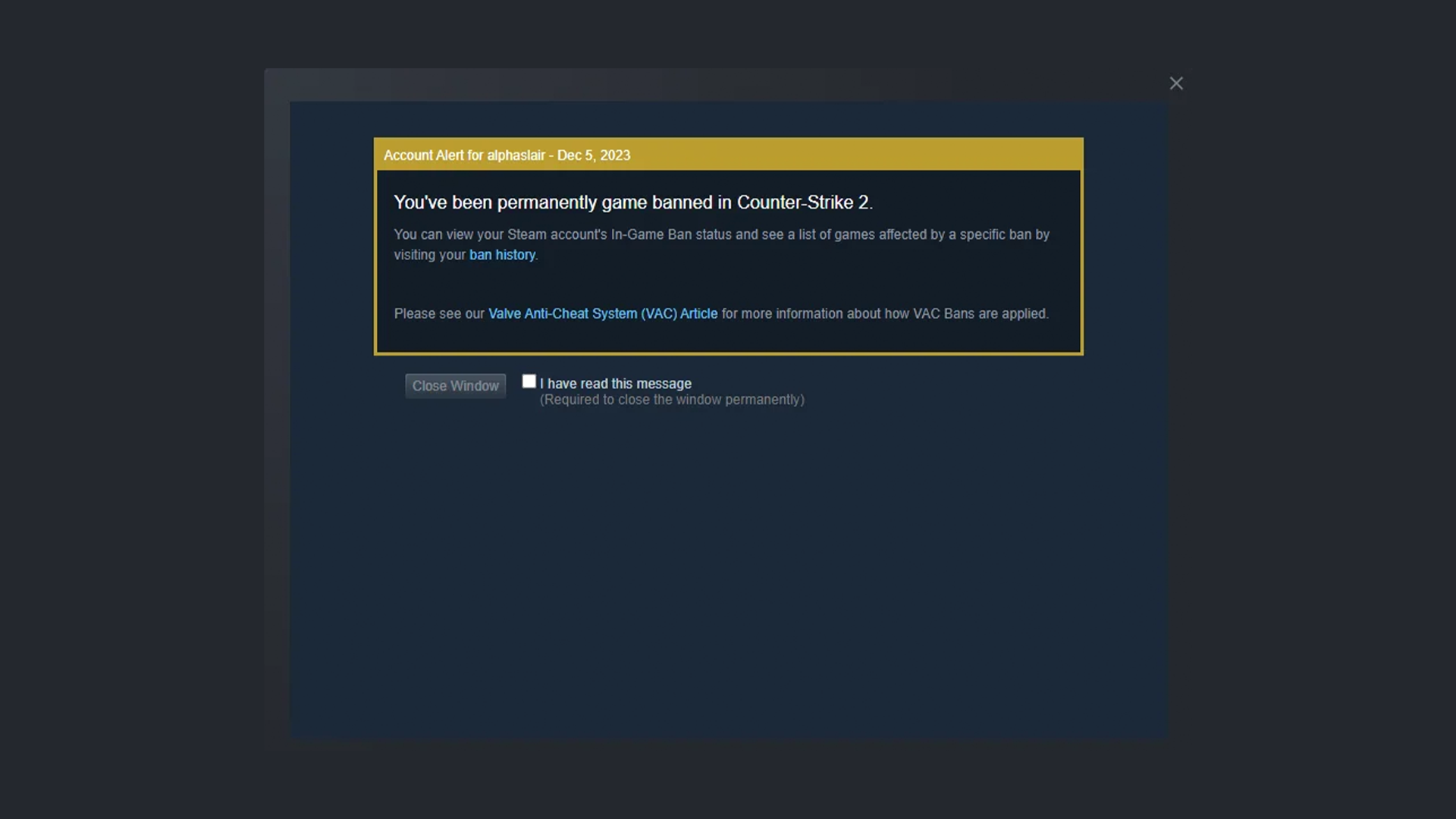
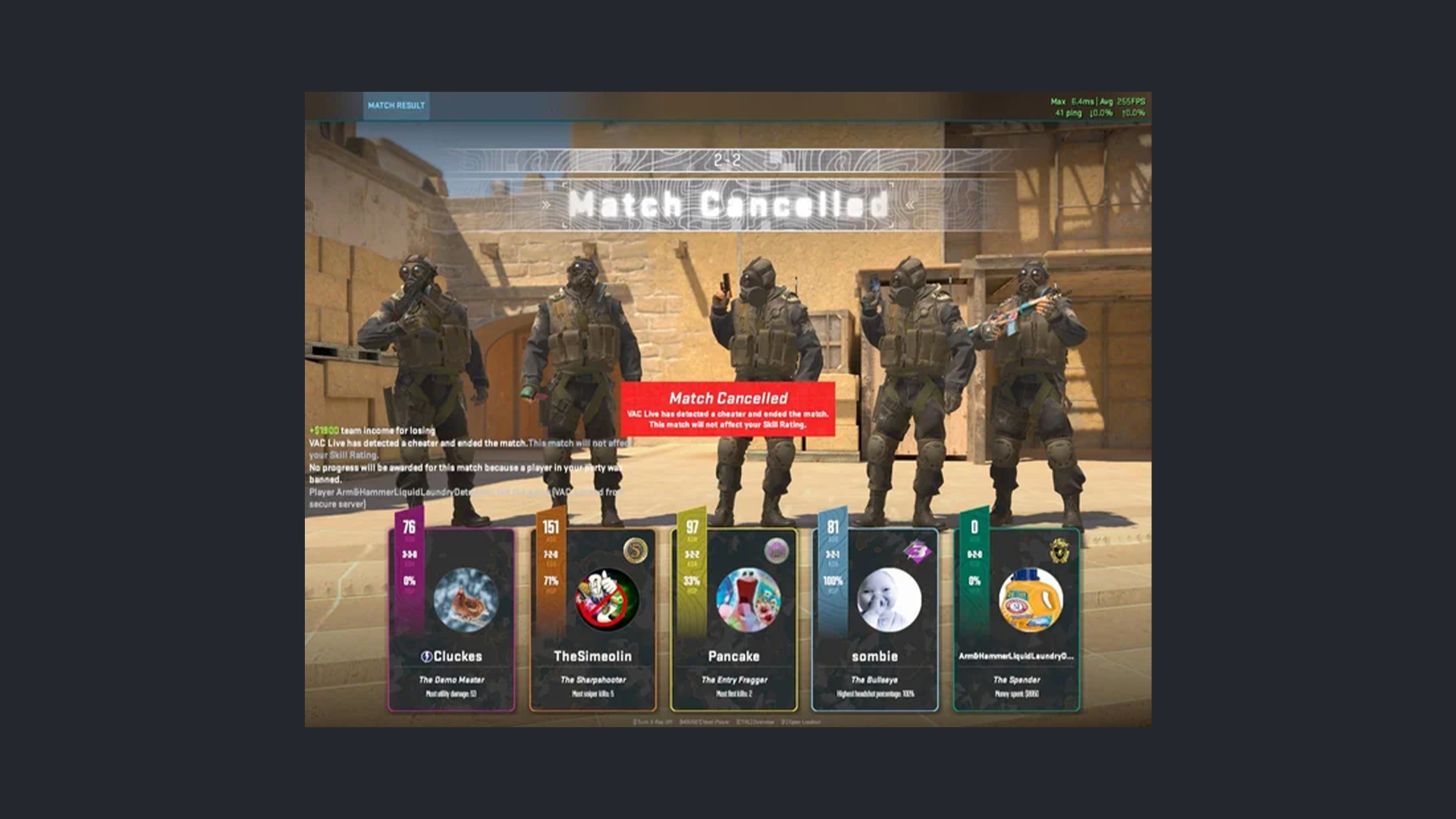
Valve’s big hope isn’t a traditional anti-cheat; it’s VACnet. This server-side AI uses deep learning to analyze player behavior, looking for patterns that indicate cheating. It’s brilliant in theory: instead of scanning your PC, it watches how you play.
However, the rollout of VACnet 3.0 in late 2025 and early 2026 was a public relations disaster. The AI, tuned to be more aggressive, started issuing “mass false banwaves.” Innocent players, including high-skill professionals, found themselves banned for “suspicious” flick shots that the AI mistook for aimbots. Imagine getting banned for being too good.
These incidents have made Valve incredibly cautious. A single false ban, especially of a player with a valuable inventory, can lead to legal challenges and a massive support headache. This caution, while understandable, is perceived by the community as inaction. Valve is caught between an AI that’s not quite ready for prime time and a community demanding immediate, decisive action.
The “Undetectable” Cheat: Why Even Kernel-Level Anti-Cheat is Obsolete
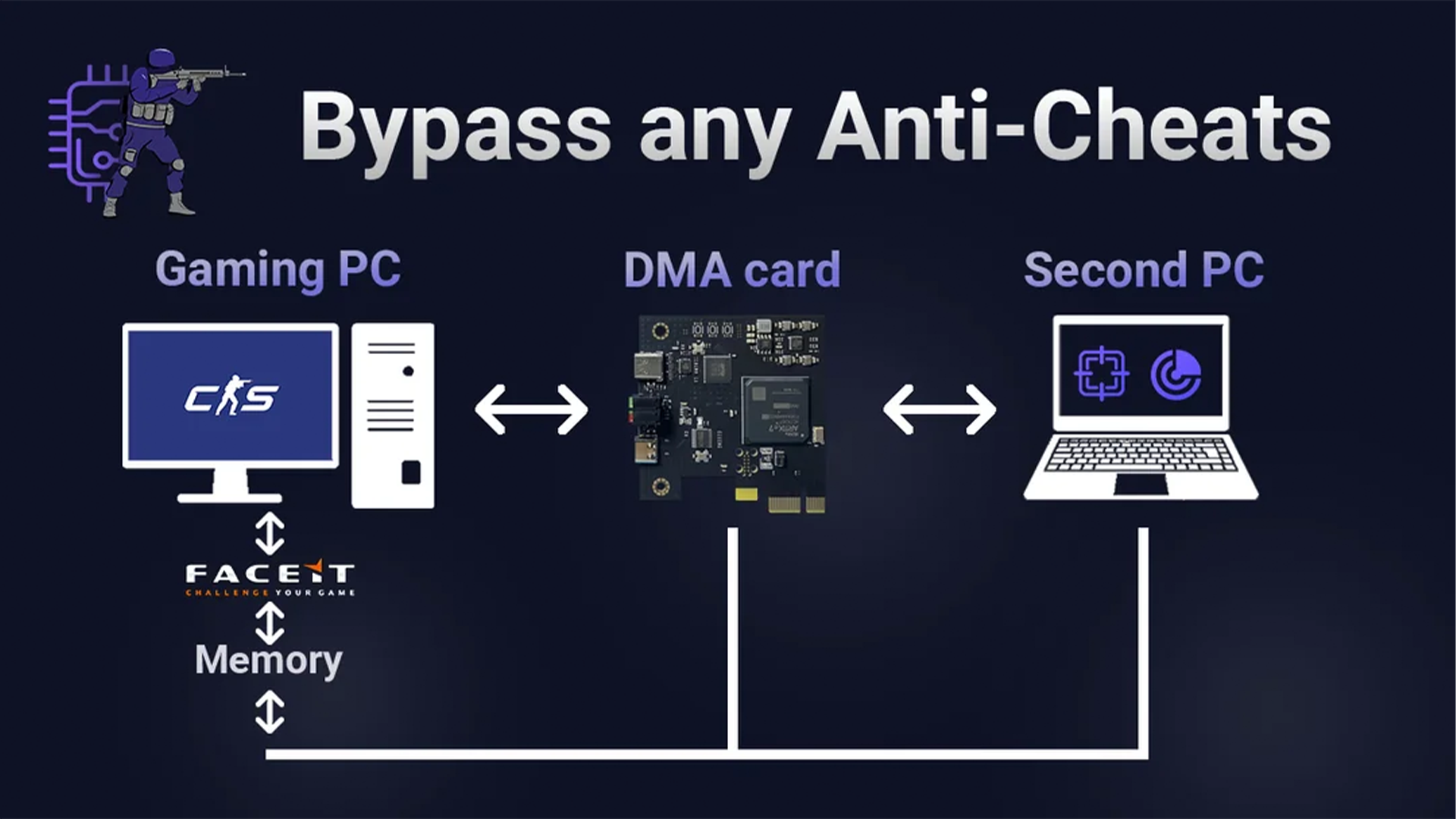
Even if Valve did implement a kernel-level anti-cheat, it might already be too late. The cutting edge of cheating has moved beyond software to Direct Memory Access (DMA) cheats.
These aren’t programs running on your gaming PC. These are specialized hardware cards that plug into a PCIe slot and use a second computer to “read” the game’s memory. Since the cheat software isn’t on the gaming machine, even the most intrusive kernel-level anti-cheat struggles to detect it. It’s like trying to catch a thief by searching their house when they’re stealing from a different house entirely.
•The Challenge: Detecting DMA requires scanning for unauthorized hardware signatures, which can be easily spoofed.
•The Fallout: While a major ban wave in January 2026 targeted DMA users, the “arms race” immediately shifted. Cheaters now use custom-firmware DMA cards that are virtually indistinguishable from legitimate hardware like network cards. It’s a hardware cat-and-mouse game that’s incredibly difficult to win.
Conclusion: Valve’s Long Game vs. Your Frustration
Valve isn’t ignoring the cries of the CS2 community. They’re simply playing a different game. They’re refusing to adopt intrusive, platform-locked solutions that compromise their long-term vision for Steam and Linux. Instead, they’re betting on the eventual maturity of AI-driven anti-cheat (VACnet) and a server-side hardening of the game’s architecture.
For the average, frustrated CS2 player, this is cold comfort. Valve is playing a 10-year game in a community that measures time in 10-minute matchmaking queues. Until VACnet can reliably distinguish between a legitimate pro and a sophisticated cheat without banning innocent players, the “Invisible War” will continue to be a source of immense frustration. And until then, the cheaters will keep winning.
Disclaimer: This article is based on technical analysis of Valve’s public statements, GDC presentations, and recent community data as of March 2026.